Best Technical Training Center
HomeCoursesBlogCeremoniesLeadershipAbout
Get in Touch
Best Technical Training Center

A Sister Concern of Arabee Bahumukhi Krishi Khamar

A premier technical and computer training center dedicated to shaping skilled, confident professionals for the digital age.

Quick Links

  • Courses
  • Blog
  • Ceremonies
  • Leadership
  • About
  • Contact

Contact

  • Dagoriya, Narsingdi Sadar, Narsingdi-1600
  • +880 19 118 08 395
  • best.tech.tc@gmail.com

© 2026 Best Technical Training Center. All rights reserved.

Empowering learners since 2009.

Best Technical Training Center

Our Courses

Choose from a range of technical and computer training programs.

Language Training Course

Language Training Course

The Language Training Course is a professionally designed communication skills program that helps learners develop confidence and fluency in speaking, listening, reading, and writing. In today's global job market, language proficiency has become one of the most valuable skills for individuals seeking employment, higher education, business opportunities, or career advancement both locally and internationally. This course is specially designed for students, job seekers, professionals, and individuals preparing for overseas employment. Through a combination of classroom instruction, interactive activities, practical exercises, and real-life communication practice, learners gradually develop the ability to communicate accurately, confidently, and professionally. The training begins with fundamental language concepts, including pronunciation, vocabulary development, grammar, sentence formation, listening comprehension, reading skills, and writing techniques. Students are guided step by step to build a strong foundation before progressing to more advanced communication skills. Special emphasis is placed on spoken communication, enabling learners to express themselves confidently in everyday conversations, workplace discussions, interviews, customer service situations, and professional environments. Students participate in role-playing sessions, group discussions, presentations, question-answer activities, and real-life conversation practice to improve fluency and confidence. The course also focuses on workplace communication skills, helping students understand professional etiquette, telephone communication, email writing, official conversations, presentation skills, and effective interpersonal communication. These competencies are essential for working in multinational companies and international organizations. Reading and writing modules help learners understand official documents, notices, instructions, reports, forms, workplace manuals, and business correspondence. Students also practice writing emails, applications, reports, and professional documents commonly used in the workplace. Listening practice is conducted using real-life conversations, workplace situations, announcements, interviews, and audio exercises that improve comprehension and communication accuracy. Regular assessments help learners identify areas for improvement and measure their overall progress. In addition to language proficiency, the course develops confidence, presentation skills, teamwork, critical thinking, and professional behavior. These soft skills significantly enhance employability and workplace performance. Upon successful completion of the course, learners are better prepared for overseas employment, international business environments, customer service roles, hospitality industries, educational opportunities, and professional careers that require effective communication skills. The Language Training Course is suitable for beginners as well as individuals who wish to improve their communication abilities for personal development, career growth, or international employment opportunities.

View course
Professional Driving Course

Professional Driving Course

The Professional Driving Course is a comprehensive training program designed to develop safe, responsible, and skilled drivers capable of operating vehicles confidently in various road and traffic conditions. The course combines theoretical knowledge with extensive practical driving lessons to prepare learners for both personal and professional driving careers. Driving is more than simply operating a vehicle—it requires discipline, concentration, road awareness, defensive driving techniques, and a thorough understanding of traffic laws. Whether the goal is to obtain a driving license, secure employment as a professional driver, or improve existing driving skills, this course provides the knowledge and practical experience necessary to become a confident and responsible driver. The training begins with an introduction to road traffic rules, road signs, traffic signals, vehicle controls, dashboard indicators, vehicle inspection, and driving ethics. Students become familiar with the basic functions of modern vehicles before moving to practical driving sessions. Practical training focuses on vehicle starting procedures, steering control, gear shifting (manual and automatic), clutch control, acceleration, braking techniques, reversing, parking, lane discipline, turning, hill driving, highway driving, night driving, and driving in busy urban environments. Students receive hands-on instruction under the supervision of experienced driving instructors in a safe and controlled learning environment. The course places significant emphasis on defensive driving techniques, enabling trainees to anticipate road hazards, avoid accidents, maintain safe following distances, respond effectively during emergencies, and make sound driving decisions in different weather and traffic conditions. Students also learn basic vehicle maintenance, including checking engine oil, coolant, brake fluid, tire pressure, battery condition, lights, wipers, and other essential safety components. This knowledge helps drivers prevent mechanical failures and maintain their vehicles properly. Safety remains the highest priority throughout the program. Participants receive detailed instruction on seat belt usage, child safety, speed management, distracted driving prevention, emergency braking, accident reporting procedures, first aid awareness, and responsible driving behavior. The course promotes a culture of road safety and professionalism. In addition to driving techniques, students develop communication skills, customer service etiquette, time management, workplace discipline, and professional ethics—qualities that are highly valued for commercial and professional driving careers. Upon successful completion of the course, graduates possess the knowledge and practical driving skills required for obtaining a driving license and pursuing employment opportunities in transportation companies, logistics firms, delivery services, corporate organizations, tourism sectors, and various commercial driving professions both locally and internationally. The Professional Driving Course is suitable for beginners, new drivers, experienced drivers seeking professional improvement, and anyone wishing to build a safe and rewarding career in the transportation industry.

View course
Professional Electrician Course

Professional Electrician Course

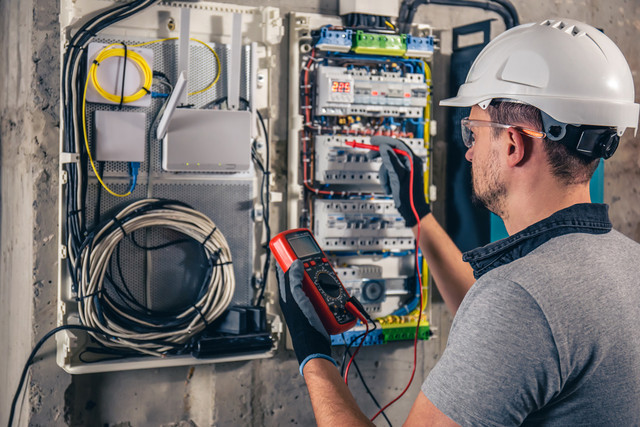
The Professional Electrician Course is a comprehensive technical training program designed to equip students with the knowledge, practical skills, and professional competence required to work safely and efficiently in the electrical industry. Electricity is one of the most essential components of modern infrastructure, making qualified electricians highly valuable across residential, commercial, industrial, and construction sectors worldwide. This course combines theoretical learning with extensive practical training, enabling students to understand electrical systems while gaining real-world experience using modern electrical tools, equipment, and testing instruments. The curriculum is designed according to current industrial practices and international safety standards to prepare trainees for successful careers both locally and abroad. Students begin by learning the fundamentals of electricity, including electrical theory, voltage, current, resistance, power calculation, electrical measurements, wiring principles, circuit protection, grounding systems, and electrical safety regulations. The course also introduces learners to electrical symbols, engineering drawings, wiring diagrams, and electrical codes commonly used in residential, commercial, and industrial projects. Practical training covers domestic wiring, commercial electrical installation, industrial electrical systems, conduit installation, cable laying, panel board wiring, switchgear installation, lighting systems, power distribution, motor connections, and electrical maintenance. Students receive hands-on experience installing and troubleshooting electrical systems under the supervision of experienced instructors. The program places significant emphasis on fault detection and troubleshooting techniques. Trainees learn how to identify electrical faults, diagnose equipment failures, test circuits, repair damaged wiring, replace electrical components, and restore systems safely while minimizing downtime. Safety is a major component of the course. Students receive comprehensive instruction on Personal Protective Equipment (PPE), electrical hazard prevention, lockout/tagout procedures, fire safety, first aid for electrical accidents, safe use of testing equipment, insulation testing, grounding practices, and emergency response procedures. Developing a strong safety culture is considered essential for every professional electrician. Quality workmanship is maintained throughout the training. Students learn accurate measurement techniques, load calculation, cable sizing, circuit balancing, equipment installation standards, preventive maintenance procedures, and quality inspection methods followed in modern industries. In addition to technical knowledge, the course develops communication skills, teamwork, workplace discipline, project planning, documentation, customer service, and professional ethics. These competencies significantly improve employability in competitive job markets. Students complete several practical projects that simulate real industrial and commercial electrical installations. Continuous assessment and instructor feedback ensure they develop confidence, technical accuracy, and problem-solving abilities before entering professional employment. Upon successful completion of the course, graduates are qualified to work as electricians in residential buildings, commercial complexes, factories, power plants, construction companies, maintenance departments, engineering firms, manufacturing industries, and infrastructure development projects. The course also provides a strong foundation for advanced electrical certifications and specialized technical training. The Professional Electrician Course is ideal for beginners, technicians, maintenance workers, and anyone seeking a stable, respected, and high-demand technical profession with excellent career opportunities both nationally and internationally.

View course
Pipe Fitter Course

Pipe Fitter Course

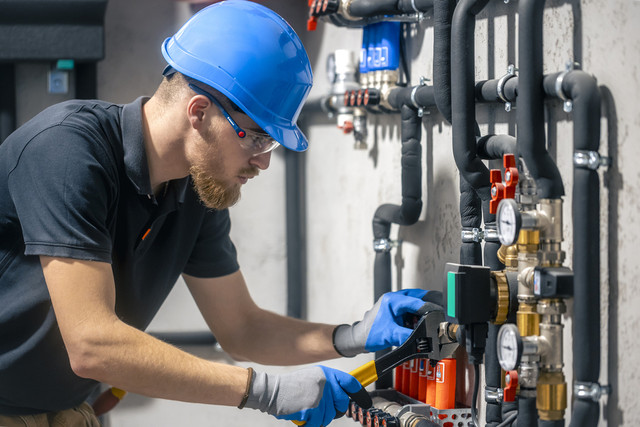
The Pipe Fitter Course is a comprehensive industrial skills training program designed to prepare individuals for professional careers in pipe installation, fabrication, maintenance, and industrial piping systems. Pipe fitting is one of the most essential technical trades in modern industries, playing a critical role in the installation and maintenance of pipelines used for water, gas, oil, steam, chemicals, and various industrial fluids. This course combines theoretical knowledge with intensive practical training, allowing students to develop the technical expertise required to work confidently in construction projects, oil & gas industries, power plants, petrochemical facilities, manufacturing industries, shipbuilding, water treatment plants, and infrastructure development projects. The training begins with a detailed introduction to industrial piping systems, pipe materials, pipe sizes, fittings, valves, flanges, supports, tools, equipment, and workplace safety. Students learn how different piping systems are designed, installed, inspected, and maintained according to industry standards. Practical sessions focus on pipe measurement, marking, cutting, beveling, threading, bending, alignment, fitting, assembly, and installation techniques. Students receive hands-on experience using professional pipe fitting tools and equipment while working on real industrial piping layouts and fabrication projects. The course also covers blueprint reading, piping isometric drawings, engineering drawings, piping symbols, measurement techniques, material identification, and pipe routing. Students learn how to interpret technical drawings accurately before performing installation work, which is an essential skill in modern industrial environments. Quality workmanship is emphasized throughout the training. Participants learn proper pipe alignment, flange installation, gasket positioning, bolt tightening procedures, leak prevention techniques, dimensional accuracy, and quality inspection methods used in industrial projects. Safety is integrated into every stage of the program. Students receive detailed instruction on Personal Protective Equipment (PPE), safe tool handling, lifting techniques, confined space awareness, fire prevention, working at heights, hazard identification, and emergency response procedures. These practices help develop responsible professionals capable of maintaining safe working environments. In addition to technical skills, trainees develop teamwork, communication, problem-solving, workplace discipline, project planning, and time management skills that are highly valued by employers across various industries. Throughout the course, students participate in practical industrial projects that simulate real workplace conditions. Continuous instructor supervision and practical assessments ensure that trainees build confidence, improve technical accuracy, and become familiar with industrial work procedures. Upon successful completion of the course, graduates are qualified to work as Pipe Fitters in construction companies, oil refineries, petrochemical industries, power plants, shipyards, manufacturing industries, engineering contractors, industrial maintenance companies, water treatment facilities, and infrastructure development projects. The course also provides an excellent foundation for further specialization in industrial piping and advanced technical trades. The Pipe Fitter Course is suitable for beginners, technicians, construction workers, and anyone seeking a stable and rewarding technical career with excellent employment opportunities in both domestic and international industries.

View course
MIG Welding Course

MIG Welding Course

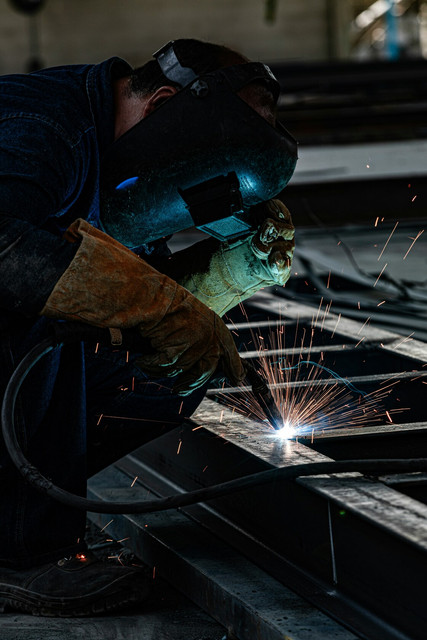
The MIG Welding Course is a comprehensive technical training program designed to provide students with professional knowledge and practical skills in Metal Inert Gas (MIG) Welding, one of the most widely used welding processes in modern manufacturing and fabrication industries. Known for its speed, precision, and efficiency, MIG welding is extensively used in automotive manufacturing, steel fabrication, construction, shipbuilding, heavy engineering, industrial maintenance, and metal production facilities around the world. This course is suitable for beginners as well as individuals who wish to upgrade their welding skills for better employment opportunities. The training program combines theoretical instruction with extensive practical workshops, enabling students to understand welding principles while developing real-world industrial experience. The course begins with an introduction to welding fundamentals, metal properties, welding symbols, fabrication drawings, machine components, shielding gases, welding wire selection, power sources, electrical systems, and workplace safety regulations. Students learn how MIG welding differs from other welding processes and understand where and why this technique is preferred in modern industries. Practical training focuses on machine setup, wire feeding system adjustment, voltage and current settings, gas flow regulation, welding gun handling, arc control, travel speed, welding position techniques, and proper joint preparation. Students practice welding on different types of metal joints, including butt joints, lap joints, T-joints, corner joints, and fillet welds, using industry-standard equipment under the supervision of experienced instructors. Throughout the program, trainees develop the ability to control heat input, maintain consistent penetration, reduce spatter, improve weld appearance, and produce strong, durable welds that meet industrial quality requirements. Special emphasis is placed on precision, productivity, and efficient welding techniques that increase workplace performance. Quality assurance forms an important part of the curriculum. Students learn how to identify common welding defects such as porosity, burn-through, undercut, overlap, lack of fusion, incomplete penetration, excessive spatter, and distortion. They also study visual inspection techniques, weld testing methods, and quality control procedures commonly followed in industrial fabrication environments. Safety remains a core component of the course. Participants receive detailed instruction on Personal Protective Equipment (PPE), electrical safety, fire prevention, compressed gas cylinder handling, ventilation requirements, machine maintenance, safe material handling, workshop discipline, and emergency response procedures. These practices help develop responsible and safety-conscious welding professionals. In addition to welding techniques, students gain valuable knowledge of blueprint reading, fabrication drawings, welding symbols, measurement techniques, material identification, workshop management, production workflow, and teamwork. These supporting skills significantly improve employability in industrial sectors. The course includes multiple hands-on industrial projects that simulate real workplace conditions. Continuous instructor evaluation, practical assessments, and performance feedback help students improve technical ability, confidence, speed, accuracy, and professional discipline. Upon successful completion of the course, graduates are qualified to work in fabrication industries, manufacturing plants, automobile industries, construction companies, engineering workshops, shipyards, industrial maintenance departments, steel structure projects, and heavy engineering companies. The skills acquired also provide an excellent foundation for advanced welding certifications and specialized welding training programs. The MIG Welding Course is ideal for anyone seeking a rewarding technical career with strong employment opportunities in both domestic and international industries.

View course

2 inch Carbon Steel (CS) Pipe Welding Course

2 inch Carbon Steel (CS) Pipe Welding Course

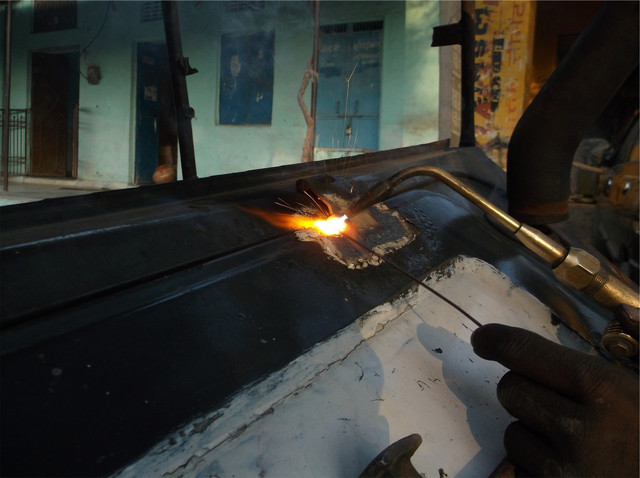
The 2" Carbon Steel (CS) Pipe Welding Course is a specialized industrial training program designed to develop professional pipe welding skills using carbon steel materials. Carbon steel pipe welding is one of the most widely used welding applications across industries such as oil & gas, petrochemical plants, power generation, structural fabrication, shipbuilding, construction, manufacturing, and industrial maintenance. This course combines technical knowledge with intensive practical training to prepare learners for real workplace environments and long-term career opportunities. The curriculum begins with a comprehensive introduction to carbon steel materials, welding fundamentals, pipe specifications, welding symbols, fabrication drawings, and industry-standard safety procedures. Students gain a clear understanding of the physical properties of carbon steel, material preparation techniques, welding consumables, and equipment used in professional fabrication workshops. Practical training focuses on welding 2-inch Carbon Steel (CS) pipes, allowing trainees to understand proper pipe fit-up, bevel preparation, edge cleaning, root gap measurement, alignment techniques, tack welding, and joint preparation before welding begins. These essential preparation techniques ensure strong weld quality and reduce the possibility of welding defects during fabrication. Throughout the course, students receive hands-on instruction in machine setup, electrode selection, current adjustment, arc control, welding sequence, penetration control, filler application, cap finishing, and post-weld cleaning. Emphasis is placed on producing consistent, high-quality welds that meet industrial acceptance standards while maintaining productivity and efficiency. Quality control is an important part of the training. Participants learn to recognize and prevent common welding defects including porosity, slag inclusion, undercut, overlap, lack of penetration, incomplete fusion, distortion, and excessive reinforcement. Students also study inspection techniques, visual examination procedures, and quality assurance practices commonly followed in industrial fabrication projects. Safety training is integrated throughout the program. Learners are trained in the proper use of Personal Protective Equipment (PPE), fire prevention, electrical safety, gas cylinder handling, equipment maintenance, safe material handling, workshop discipline, and emergency response procedures. Developing safe working habits is considered essential for every professional welder. In addition to practical welding skills, students learn blueprint reading, pipe measurements, welding symbols, fabrication standards, material calculations, workshop organization, and professional work ethics. These supporting skills enable graduates to work confidently in industrial fabrication environments and contribute effectively as members of technical teams. Throughout the program, trainees complete multiple practical welding projects that simulate real industrial conditions. Continuous supervision and evaluation by experienced instructors help improve precision, confidence, productivity, and problem-solving abilities while reinforcing international welding practices. Upon successful completion of the course, graduates are qualified to work in fabrication workshops, steel construction companies, manufacturing industries, shipyards, engineering firms, industrial maintenance departments, pipeline projects, and infrastructure development projects. The course also provides an excellent foundation for advanced pipe welding qualifications and internationally recognized welding certifications. This training program is suitable for beginners, technicians, fabrication workers, and anyone seeking to build a professional career in industrial pipe welding with strong practical skills and internationally accepted work standards.

View course
6G TIG Welding Course

6G TIG Welding Course

The 6G TIG Welding Course is an advanced technical training program developed for individuals who aspire to become professional TIG pipe welders in high-demand industrial sectors. TIG (Tungsten Inert Gas) welding is one of the most precise and reliable welding processes used in modern industries where superior weld quality, clean finishes, and structural integrity are essential. This course combines comprehensive theoretical instruction with intensive hands-on practice to prepare trainees for professional careers in both local and international industries. The curriculum has been carefully designed to meet the requirements of industries such as oil & gas, petrochemical plants, power generation, pharmaceutical manufacturing, food processing, shipbuilding, pressure vessel fabrication, stainless steel fabrication, chemical processing plants, and heavy engineering. These industries require highly skilled welders capable of producing defect-free welds while maintaining strict quality and safety standards. Training begins with a detailed introduction to TIG welding principles, welding safety, equipment identification, machine setup, tungsten electrode preparation, shielding gas selection, filler rod selection, polarity, heat control, and welding parameters. Students develop a solid understanding of the welding process before progressing to advanced practical applications. A major focus of this course is 6G TIG Pipe Welding, where the pipe remains fixed at a 45-degree angle and the welder must complete the joint without rotating the workpiece. This position requires exceptional hand control, concentration, body movement, coordination, and precision. Through continuous guided practice, students gradually master these advanced techniques and learn to produce high-quality welds in every welding position around the pipe. The practical sessions cover every stage of professional pipe welding, including material inspection, edge preparation, beveling, root gap measurement, pipe fit-up, tack welding, root pass, filler pass, cap pass, weld reinforcement, and final finishing. Students are trained to control arc length, travel speed, heat input, filler addition, and torch angle to ensure consistent weld penetration and excellent appearance. Quality assurance forms an important part of the training. Participants learn to identify common TIG welding defects such as porosity, tungsten contamination, oxidation, lack of penetration, undercut, incomplete fusion, excessive reinforcement, and distortion. They also study preventive techniques and inspection methods used in industrial environments to ensure every weld meets professional quality standards. Safety remains a top priority throughout the program. Trainees receive practical instruction on workplace safety, PPE usage, electrical safety, gas cylinder handling, ventilation requirements, fire prevention, equipment maintenance, and emergency response procedures. Building safe working habits is considered an essential responsibility of every professional welder. Students are also introduced to fabrication drawings, piping isometric drawings, welding symbols, Welding Procedure Specifications (WPS), material identification, measurement techniques, dimensional accuracy, and quality documentation. These additional competencies help prepare graduates for real industrial projects where technical knowledge and teamwork are equally important. Throughout the course, trainees complete multiple practical projects that simulate actual industrial working conditions. Continuous instructor feedback enables students to improve welding accuracy, productivity, confidence, and professional discipline. Upon successful completion of the program, graduates possess advanced TIG pipe welding skills suitable for employment in petrochemical industries, refineries, power plants, shipyards, pharmaceutical manufacturing, food-grade stainless steel fabrication, engineering companies, industrial maintenance organizations, and international construction projects. The course also provides a strong foundation for pursuing internationally recognized welding certifications and advanced professional qualifications. This program is ideal for welders who already have basic welding experience and wish to specialize in precision TIG pipe welding while expanding their career opportunities in highly competitive industrial sectors.

View course
6G Welding Course

6G Welding Course

The 6G Welding Course is an advanced industrial training program designed for individuals who wish to become highly skilled professional pipe welders. Recognized worldwide as one of the most demanding welding positions, the 6G welding qualification is highly valued across industries such as oil & gas, petrochemical plants, power generation, shipbuilding, heavy engineering, structural fabrication, and industrial construction. This course is carefully structured to provide trainees with both theoretical knowledge and extensive hands-on experience, enabling them to perform complex pipe welding tasks with precision, consistency, and confidence. The curriculum follows modern industrial practices and focuses on developing practical skills that meet the expectations of employers in both local and international job markets. Students begin by understanding the principles of pipe welding, welding symbols, metallurgy, welding procedures, equipment setup, material preparation, and safety regulations. They are introduced to professional welding machines, tools, electrodes, measuring instruments, and protective equipment commonly used in industrial workplaces. The primary focus of the program is practical training in the 6G pipe welding position, where the pipe is fixed at a 45-degree angle and cannot be rotated during welding. This position requires exceptional control, proper body positioning, and the ability to weld successfully in multiple directions while maintaining weld quality throughout the joint. During practical sessions, trainees learn pipe fit-up, bevel preparation, root gap measurement, tack welding, root pass techniques, hot pass, filler pass, cap pass, heat control, penetration management, and proper finishing methods. Continuous supervision by experienced instructors helps students improve their technique while following internationally accepted welding practices. Safety remains a fundamental part of the course. Students receive comprehensive instruction on workplace safety, fire prevention, electrical hazards, gas cylinder handling, ventilation, personal protective equipment (PPE), equipment maintenance, and emergency response procedures. Developing a strong safety culture is considered essential for every professional welder. Another important aspect of the training is welding inspection and quality assurance. Participants learn how to identify and prevent common welding defects including porosity, slag inclusion, undercut, overlap, burn-through, lack of penetration, and incomplete fusion. They also understand inspection methods used in industrial environments to ensure weld integrity and compliance with quality standards. In addition to technical welding skills, the course introduces students to fabrication drawings, piping layouts, welding procedure specifications (WPS), material handling, measurement techniques, and workshop organization. These competencies enable graduates to work efficiently within professional fabrication teams and industrial projects. Throughout the training, students participate in practical assignments that simulate real workplace conditions. This hands-on approach improves problem-solving ability, productivity, precision, and confidence before entering employment. Upon successful completion of the course, graduates are equipped with advanced pipe welding skills suitable for careers in oil refineries, petrochemical industries, power plants, shipyards, pressure vessel manufacturing, steel fabrication companies, construction projects, and industrial maintenance organizations. The knowledge gained also serves as a strong foundation for pursuing international welding certifications and higher-level professional qualifications. The 6G Welding Course is ideal for individuals who already possess basic welding knowledge as well as technicians seeking to upgrade their professional skills for better career opportunities and higher-paying industrial positions.

View course
1G–4G Welding Course

1G–4G Welding Course

The 1G–4G Welding Course is a comprehensive industrial training program designed to develop professional welding skills through a balanced combination of classroom instruction and intensive practical workshops. Whether you are a beginner looking to start a career in welding or someone seeking to improve existing skills, this course provides the technical knowledge and practical experience required to meet modern industry standards. Welding is one of the most valuable technical professions in construction, manufacturing, fabrication, shipbuilding, heavy engineering, oil & gas, and infrastructure development. Skilled welders are consistently in demand across local and international job markets. This course has been carefully structured to prepare trainees for these employment opportunities by focusing on internationally recognized welding positions and professional work practices. During the training, students learn welding techniques in the 1G (Flat), 2G (Horizontal), 3G (Vertical), and 4G (Overhead) positions. Each position presents unique challenges, allowing trainees to gradually build confidence and develop the ability to produce strong, accurate, and high-quality welds in different working environments. The program begins with the fundamentals of welding, including metal identification, welding symbols, basic metallurgy, equipment handling, and workplace safety. Students are introduced to welding machines, power sources, electrodes, protective equipment, and essential tools used in professional fabrication workshops. A major focus of this course is practical learning. Under the supervision of experienced instructors, trainees spend significant time performing real welding tasks using industry-standard equipment. They learn proper joint preparation, material cleaning, edge preparation, welding sequence, heat control, penetration techniques, and finishing methods to ensure durable and visually acceptable welds. Safety is considered one of the most important components of this training. Students receive detailed instruction on occupational health and safety, fire prevention, electrical hazards, personal protective equipment (PPE), workshop discipline, and emergency response procedures. Developing safe working habits is essential for every professional welder, and these practices are reinforced throughout the course. Quality control and welding inspection are also covered extensively. Students learn how to identify common welding defects such as porosity, undercut, cracks, lack of fusion, and incomplete penetration. They are trained to understand the causes of these defects and apply corrective techniques that improve welding quality and meet industrial acceptance standards. The course also introduces trainees to fabrication drawings, measurement techniques, welding symbols, blueprint reading, material handling, and workshop organization. These additional skills help students understand real industrial projects and improve their ability to work efficiently as part of a professional team. Throughout the program, emphasis is placed on accuracy, productivity, discipline, teamwork, and professional ethics. Students are encouraged to complete practical assignments that simulate real workplace conditions, allowing them to gain confidence before entering employment. Upon successful completion of the course, graduates possess the practical skills and technical understanding required to work in fabrication workshops, manufacturing industries, construction companies, shipyards, engineering firms, steel structure projects, maintenance industries, and various industrial sectors. The training also provides a strong foundation for learners who wish to pursue advanced welding qualifications such as 6G Pipe Welding or specialized welding processes. This course is ideal for school graduates, job seekers, technicians, construction workers, and individuals planning to build a long-term career in the welding profession. With increasing global demand for skilled welders, successful trainees can explore employment opportunities both within the country and abroad. Our objective is not only to teach welding techniques but also to develop competent, responsible, and industry-ready professionals capable of meeting the expectations of modern employers through quality workmanship, safety awareness, and continuous skill development.

View course